
GLP-1 medications are designed to suppress appetite.
And any time food intake drops, the body needs protection.
Because if weight loss happens too quickly without enough nutrition or exercise, some of that loss will be lean muscle, not just fat.
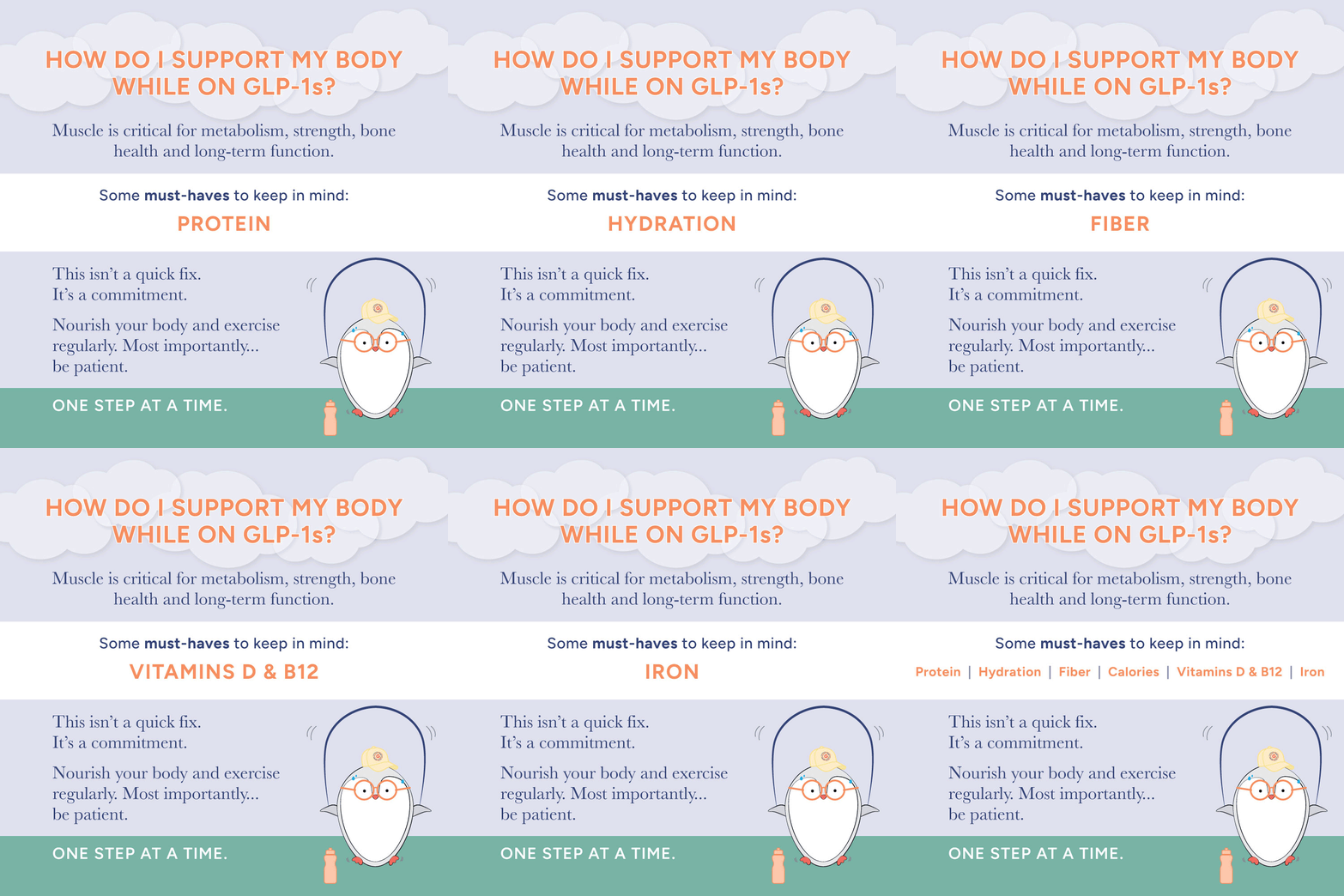
Why is this important? Because muscle supports metabolism, strength, bone health and long-term function. Preservation is critical. So let’s go through a list of must-haves:
- Protein. Roughly 80–100 grams per day, or about 1.2-1.5 grams per kilogram of ideal body weight. When portions shrink, protein should not be the first thing to go.
- Hydration. Around 2–3 liters of fluid per day is a solid target, and added electrolytes is a bonus. Slower digestion plus lower intake increases the risk of constipation and dehydration.
- Fiber. Make sure you increase gradually. Too much too fast could lead to gastrointestinal distress like bloating and cramping.
- Calories. Adequate calorie intake can help prevent hair thinning, muscle wasting, fatigue and plateaus in the long run.
- Vitamins D and B12, iron. They can quietly dip when food intake drops.
So how do you maintain this level of care?
Smaller, more consistent meals. Skipping meals is not recommended.
Eating slowly can help you digest better and help tolerate more food in one sitting.
Exercise, if not already, needs to become a well-established habit. Prevent muscle loss with strength and resistance training two to three times a week. And when you can, mix in some cardio, flexibility and balance work.
Finally, and maybe most importantly, be patient and embrace the gentle titration periods - the slow increase in medication usually results in fewer side effects.
It’s a lot to take in, I get it.
But this isn’t supposed to be a quick fix. It’s a commitment to changing the trajectory of your health with tools to help change behavior. And we can navigate it together. One step at a time.